
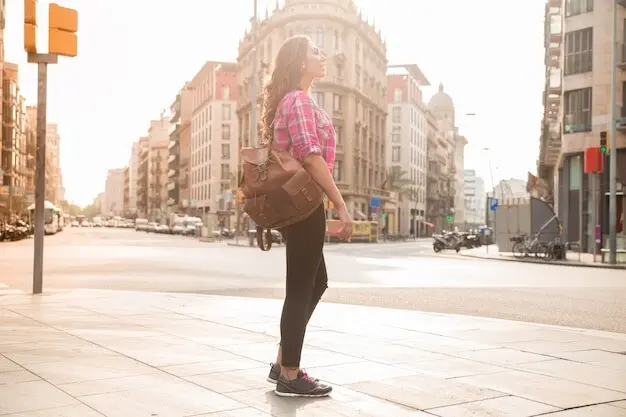
A New Stop, Every Commute: Tiny Adventures Between Stations
Weekday routines can feel like rails that never bend, yet delight waits one platform away. Embrace Transit-Based Mini Journeys: Exploring a New Stop Each Commute, turning ordinary rides into unhurried discoveries. Pause for fifteen curious minutes, follow a smell of bread, trace a mural’s story, or sip a quick coffee with a view. We celebrate repeatable wonder, practical planning, and generous attention, proving curiosity fits between transfers. Share your finds, invite a friend, and let small detours redraw your mental map of the city.
How to Start Without Missing Your Train
Pick the Right Line
Scan your route for stations with clusters of life: markets, libraries, small parks, corner bakeries, or public art pieces. Cross-reference timetables so return trains are frequent. Favor daylight stops at first, then expand gently. Keep backup options nearby, like bus connections or bike-share docks, allowing flexible exits if something changes. Curate a shortlist across weekdays, distributing energy, weather, and appetite like a playlist that keeps you curious but never rushed or stressed.
Time Boxing and Safety
Set a precise exploration window, like twelve minutes outbound and three minutes to reorient. Text a friend your stop, carry a whistle, and trust instincts. Do not trade punctuality for bravado. Choose well-lit sidewalks, visible storefronts, and populated plazas. When in doubt, retreat early and reward yourself with a note or photo. Respect workers, pedestrians, and property, always. Your confidence grows when routines feel reliable and caring, not heroic. Consistency, not intensity, builds the habit beautifully.
Tools You Already Carry
Your phone becomes notebook, compass, and gallery. Use pinned lists for coffee, murals, or quiet benches. Save transit apps with service alerts. Pocket a tiny sketch card and pencil for tactile memory. Earbuds help, yet sometimes silence reveals clues, like station airflow hinting at nearby open spaces. A reusable cup invites spontaneous tea refills. Comfortable shoes transform alleys into invitations. Most importantly, curiosity weighs nothing and fits every pocket, sustaining momentum when plans wobble.
Found Moments at Unfamiliar Platforms
Small detours invite stories that outgrow their minutes. One rainy Tuesday, a florist waved commuters inside to warm hands over a kettle, trading steam for smiles. Another day, a busker tuned quietly while a grandmother traced mosaic fish with her cane. These vignettes need no itinerary. They stitch tenderness into steel schedules, reminding us cities breathe between footsteps. Share your own vignettes, however ordinary; repetition grants depth, and the smallest scene can brighten a whole line’s memory.
Collecting Your Own Atlas of Small Detours
Photo Prompts That Spark Curiosity
Set micro-assignments before boarding: capture three doors with distinct handles, one shadow shaped like an animal, and a sign with an accidental poem. These constraints transform wandering into playful research. Turn live photos into short loops that replay gusts, pigeons, or crosswalk flashes. Pair images with sensory captions—smell of cinnamon, squeak of brakes, grit under a palm—so your gallery recalls feelings, not only places. Return to favorites next season to watch textures mature gracefully.
Field Notes That Matter Later
Write for your future self, who will forget quickly. Note the time of light under the metro bridge, the sound of a tram bell, the exact color of the grocer’s apricots. Record prices, names, and directions from memorable corners. Use consistent tags like bench, mural, pastry, shortcut. Each entry should answer why return, not merely where. Over time, patterns emerge—Wednesday markets, kind baristas, streets that flood. Preparation becomes affection, and your notes train attention gently.
Turning Routes into Rituals
Choose an anchor act for each line: sampling a local jam on the green line, reading two paragraphs on the red, tracing pavement seams on the blue. Rituals cue your senses to switch modes while staying punctual. They also demystify novelty, because returning intentionally converts randomness into relationship. Share a monthly collage with friends to compare rituals and recommend stops. The commute becomes a braided story, where predictable rails host unpredictable moments that you increasingly recognize and welcome.
Breakfast Before Nine
Early exits reveal bakers still dusted with flour, bus drivers balancing paper cups, and students sharing buttered toast near station stairs. Try one sweet, one savory, and a fruit when possible. If lines run long, observe which items locals order without reading menus. Document prices to compare neighborhoods empathetically. Share respectful reviews that highlight kindness as much as flavor. Morning rituals set your day’s tempo, proving that good coffee, warm bread, and three extra minutes elevate everything else.
Lunch Between Transfers

Midday windows suit hearty, efficient bites: soup counters, noodle shops, deli half-sandwiches, or salad bars by the tram loop. Prioritize places with seating near exits, allowing swift returns to platforms. Rotate cuisines across days to keep curiosity wide and nutritional balance honest. Ask for half portions when possible, and carry a napkin so you can pause on a clean stoop if seats are scarce. Lunch becomes a learning lab where spices map cultures and schedules feel friendlier.
Evening Treats on the Way Home

Dusk indulgences deserve twinkling lights and forgiving lines. Seek small desserts, infused teas, or fruit stands discounting late. Respect closing routines; gratitude travels further than tips alone. If tired, choose a treat matched to energy—a light sorbet instead of dense cake. Share leftovers with a housemate, turning your stop into a conversation starter. Photograph storefront glow, not faces, honoring privacy while preserving mood. Evening sweetness pairs with reflection, closing your daily loop with warmth and intention.
Signs and Typefaces Speak

Letters carry voices. Classic roundels promise clarity through repetition, while serif station names soften concrete with tradition. Examine contrast ratios, arrow shapes, and the rhythm of pictograms. Poor kerning can delay understanding, yet thoughtful wayfinding shortens stress. Photograph examples and annotate why they work. Share mini critiques that stay kind and constructive. Over months, you will read the city like a book indexed by fonts, learning to anticipate flows simply by glimpsing a line’s typographic accent.
Materials Under Your Feet

Floors announce intent. Grooved granite channels warn of edges, rubberized mats welcome rainy shoes, and polished terrazzo quietly celebrates civic pride. Count how many textures you cross between gate and curb, then correlate with maintenance or slip risk. Note how thresholds signal ownership transitions—from municipal tiling to private storefront planks. These clues teach where to linger safely for photos or sketches. Materials are quietly opinionated, and recognizing their language helps you move kindly, efficiently, and curiously.
Murals, Buskers, and Light

Public art thrives where footsteps converge. Watch how murals anchor selfies yet also archive neighborhood legends. Listen for buskers who tune to the station’s echo, adjusting volume with passing trains. Light becomes a collaborator, revealing patterns at specific hours. Track sunny walls for winter warmth and cool niches for July shade. If you share media, tip performers and credit artists. These encounters transform a platform into a stage, where everyday travelers briefly become an audience and community forms.
Mindset for Unhurried Discoveries
Curiosity expands when judgment shrinks. Set humble goals and celebrate tiny wins, like identifying one native plant near an overpass or finding a quiet reading nook. Practice slow breathing on escalators, releasing the urge to document everything. Leave room for boredom; it often births the best questions. Track mood changes after micro-wanders to learn which rituals energize. Commuting then becomes restoration, not depletion. The practice asks little—two stops, ten minutes—yet returns generously in attention, memory, and ease.

Your First Challenge Starts Monday
Pick five stations you pass often, program fifteen-minute alarms, and choose a micro-mission for each day: find a public clock, spot three textures, meet one librarian, or photograph a reflection. Post results with a short reflection and route name. Invite a friend to join remotely. We’ll feature standout entries that model safety, kindness, and creativity. If a schedule slips, adjust and try again. Momentum matters more than streaks, and Monday is always only one sleep away.
Share a Stop, Share a Map
Create a collaborative map that marks quiet corners, inclusive restrooms, accessible paths, and hidden picnic spots. Add photos only of places, not people, protecting privacy while celebrating public space. Include operating hours and seasonal notes like shade at noon or winter glare. Encourage comments that improve clarity rather than rate businesses. Over time, your community builds an urban comfort atlas, empowering newcomers and locals alike to turn waits and transfers into invitations rather than irritations.
All Rights Reserved.